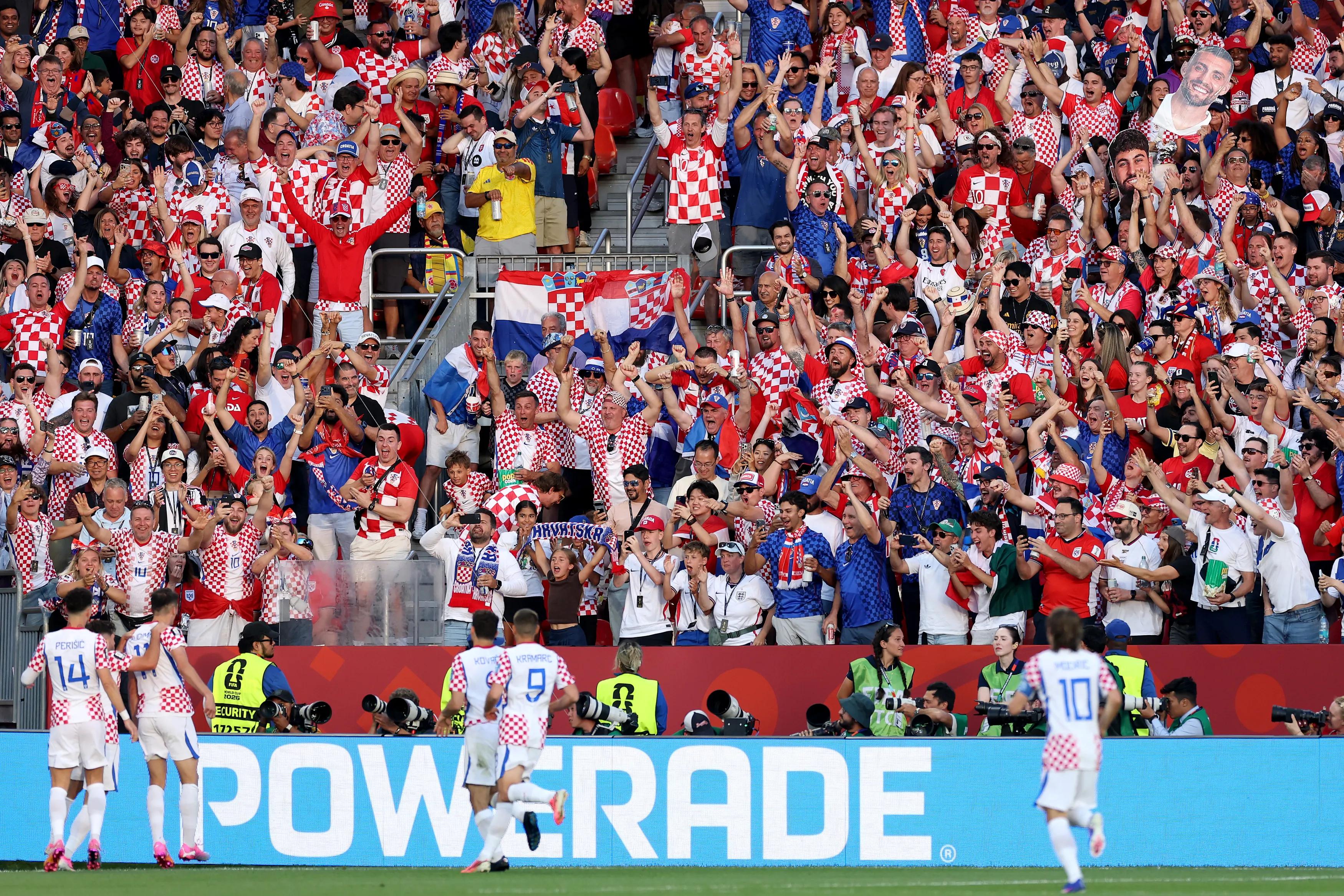
The Al Janoub Stadium witnessed a contest that exemplified the World Cup's capacity to produce drama beyond expectation as Japan faced Croatia in a knockout encounter that showcased contrasting footballing philosophies. Japan, having emerged from a group containing Spain and Germany, arrived with confidence that their counter-attacking approach merited. Croatia, finalists four years earlier, brought tournament experience that younger squads cannot purchase. The match would be decided by a penalty shootout after 120 minutes of compelling football. Japan's opener came from Daizen Maeda, whose pressing had defined their tournament approach. The goal, arriving from close range following a corner, rewarded Japanese intensity that had disrupted Croatia's patient buildup. The Samurai Blue's supporters celebrated wildly, their team having once again demonstrated the quality that had eliminated European heavyweights in the group stage. Croatia's response was measured, with Luka Modric beginning to control midfield tempo and veteran experience providing calm when pressure intensified. Ivan Perisic's equalizer on 55 minutes demonstrated the aerial threat that has defined his international career. The winger's header, meeting a cross with timing and power, restored parity and shifted momentum toward Croatian experience. The remaining thirty-five minutes of regulation time saw both teams create chances without finding winners. Extra time's introduction favored Croatia's veteran legs, their experience managing the additional period's demands with professional pragmatism. The penalty shootout saw Croatian goalkeeper Dominik Livakovic save from Takumi Minamino, Kaoru Mitoma, and Maya Yoshida, demonstrating the quality that has made him one of Europe's most reliable stoppers. Croatia's players converted with composure that experience provides, their progression secured when Mario Pasalic found the net. Japan's tournament concluded with recognition that their approach had troubled opponents of genuine quality.
⬜ Group
Japan vs Croatia: Samurai Blue's Brave Run Meets Experience