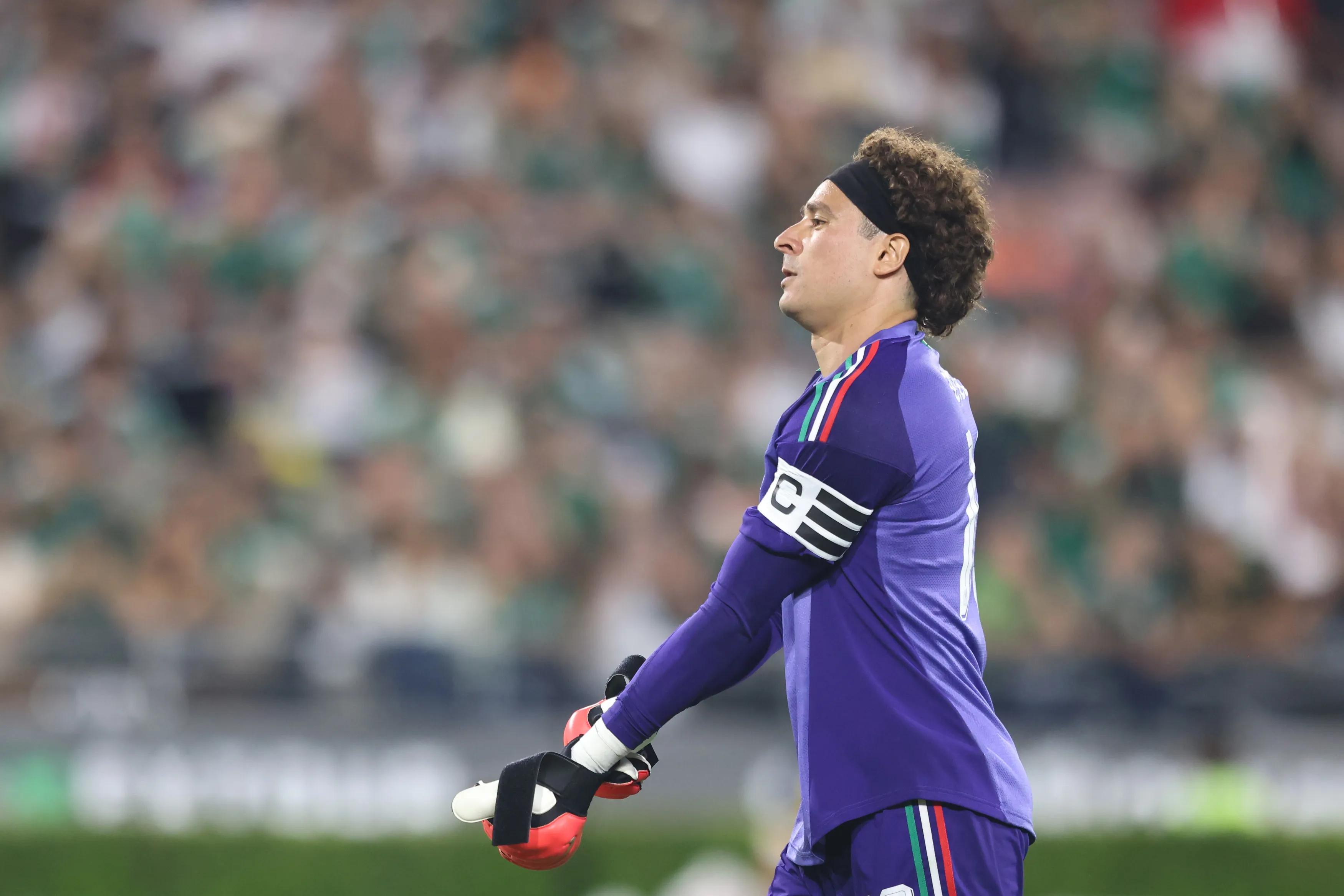
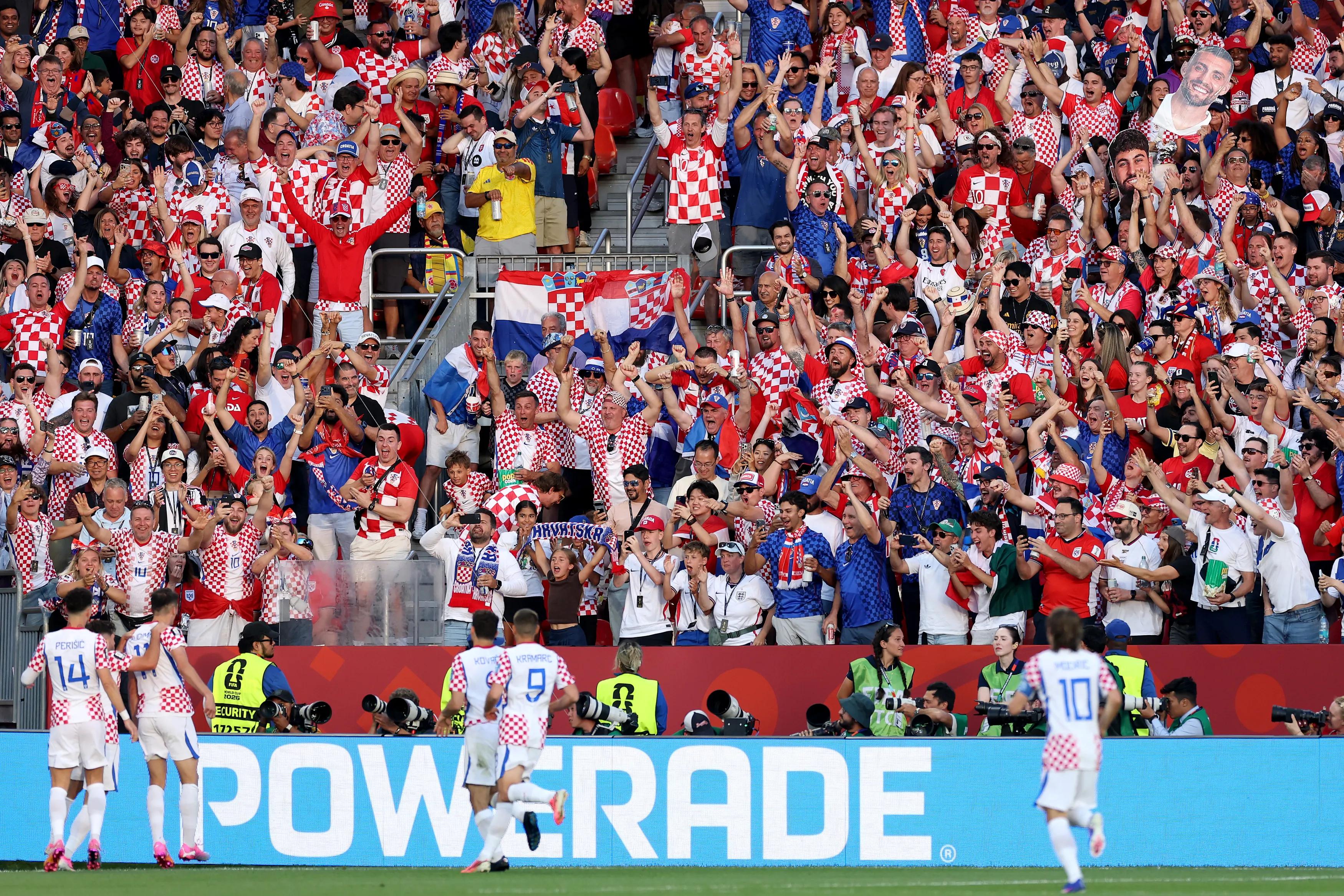
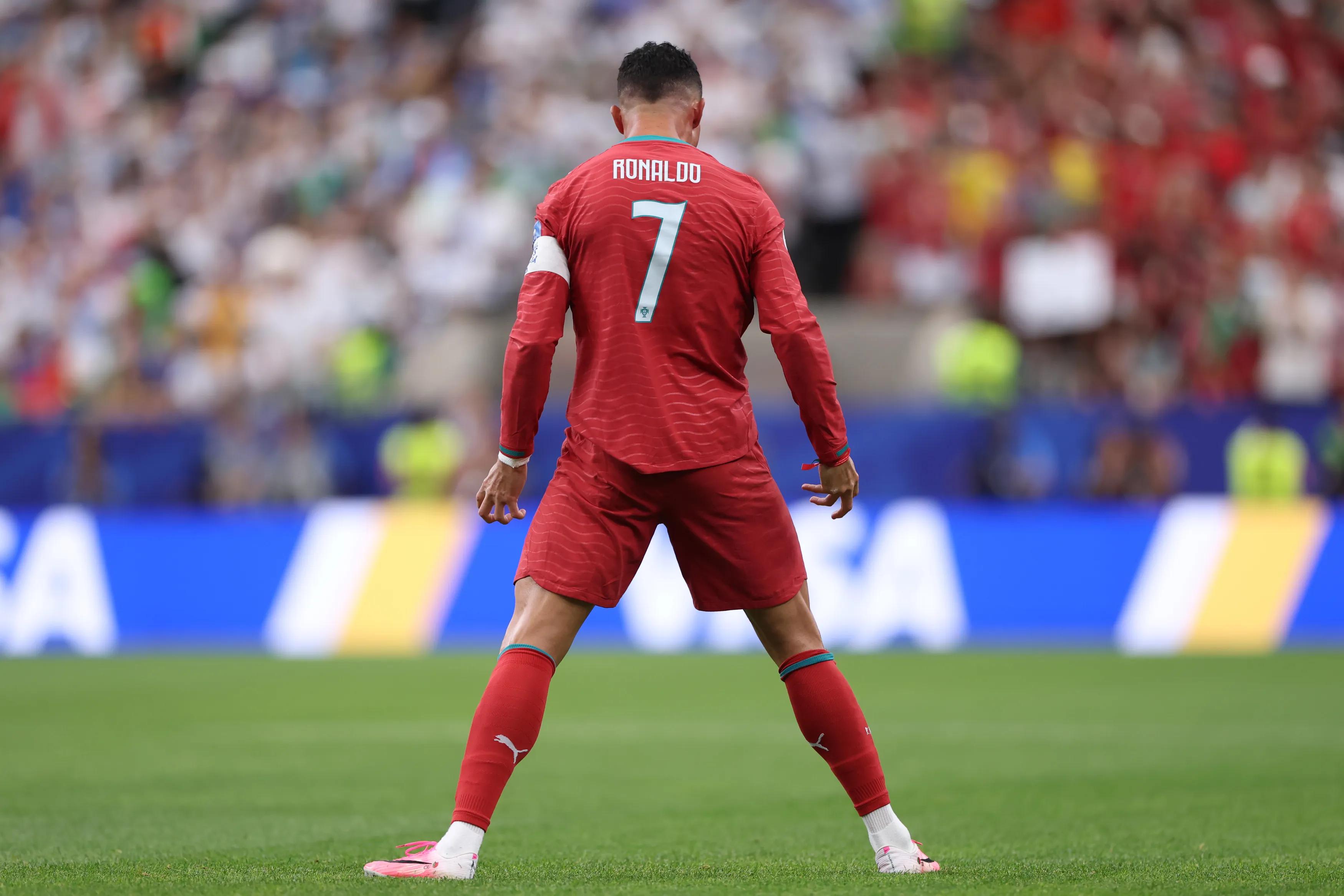
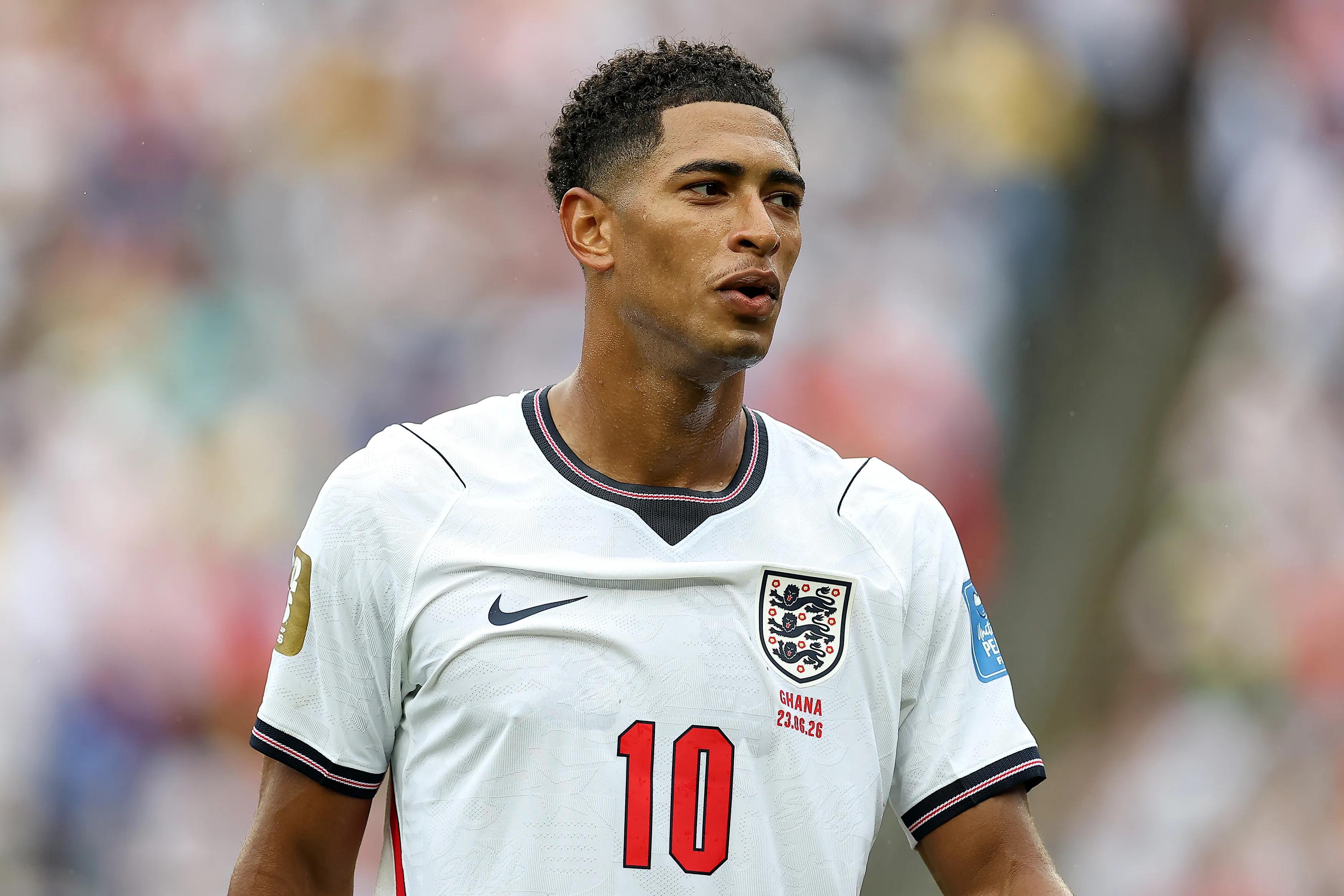
The Al Janoub Stadium hosted a group stage encounter loaded with historical resonance as Uruguay faced Ghana for the first time since their 2010 quarter-final meeting that produced Luis Suarez's infamous handball and Ghana's subsequent penalty miss. The historical context dominated pre-match narrative, with Ghanaian supporters recalling the injustice that had denied Africa's first World Cup semi-final. The opening period saw Uruguay control possession through Federico Valverde's midfield excellence. The Real Madrid midfielder's passing range dictated tempo, while Darwin Nunez's movement created forward presence that Ghanaian defending must address. The breakthrough, when it arrived, came from Giorgian de Arrascaeta's composed finish after Valverde's incisive pass had created opportunity. Ghana's response was spirited and sustained, their supporters roaring each attacking foray with belief that historical redemption remained possible. Andre Ayew's penalty on 23 minutes, awarded after Uruguayan defending had fouled within the area, provided Ghana's opportunity for equalizer and symbolic historical correction. Yet the veteran's conversion failed, his low drive saved by Sergio Rochet with the reflexes that Uruguayan goalkeeping has traditionally demonstrated. The miss sparked Uruguayan relief while Ghanaian disappointment intensified. The match's historical ghosts had surfaced, yet contemporary outcome had favored the same nation whose 2010 actions had created the context. De Arrascaeta's second goal on 32 minutes, a header from close range following a corner that Ghanaian defending had failed to clear, doubled Uruguayan advantage and seemed to secure outcome. Ghana's second-half efforts produced chances without conversion, their tournament concluding with recognition that historical narratives cannot influence contemporary result.
⬜ Group
Uruguay vs Ghana: Historical Ghosts Return in Group Stage