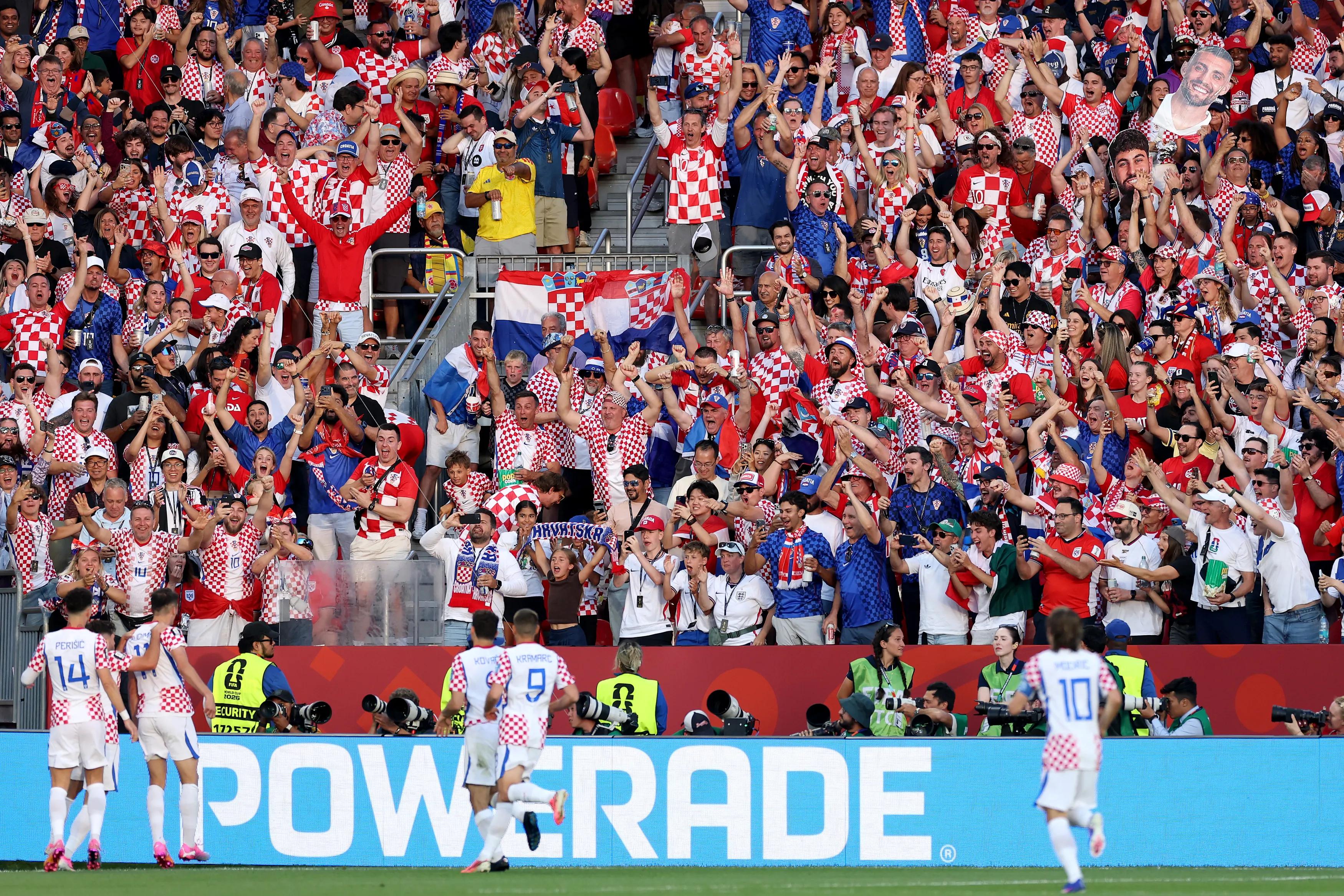
Brazil's 2026 World Cup campaign concluded with unexpected quarter-final elimination to Croatia, a defeat that stunned Selecao supporters and sent shockwaves through the footballing world. The penalty shootout defeat, following 120 minutes of Brazilian dominance without conversion, demonstrated how World Cup competition can punish quality that fails to produce decisive outcomes. Neymar's extra-time breakthrough seemed to secure progression, yet Bruno Petkovic's late equalizer forced the shootout where Croatia prevailed. The match statistics painted a picture of Brazilian superiority that the scoreline failed to reflect. Brazil registered 21 shots to Croatia's nine, enjoyed 61% possession, and created numerous clear opportunities that their forwards failed to convert. Vinicius Junior's dribbling and Neymar's creativity consistently troubled Croatian defenders, yet the finishing precision that tournament advancement requires proved elusive. The narrative of Brazilian dominance without reward has haunted Selecao World Cup campaigns since 2002, a statistic that continues to define their tournament history. Neymar's emotional response to the defeat captured the significance of this moment for Brazil's talisman. Having matched Pele's goalscoring record for Brazil during extra time, Neymar's tears at the final whistle reflected both personal achievement and collective disappointment. The forward's tournament had showcased his enduring quality, yet questions about his ability to lead Brazil to World Cup glory persist. At 30 years old, Neymar's opportunities to add a World Cup winner's medal to his resume are diminishing. Tite's tactical approach throughout the tournament had demonstrated the attacking philosophy that Brazilian football demands. The 4-1 victory over South Korea in the round of sixteen showcased everything that Selecao football represents: rapid passing, creative movement, and clinical finishing. Yet that same approach failed to break down Croatia's disciplined defensive structure. Brazil's elimination continues a pattern of quarter-final exits that has defined their World Cup campaigns since 2002, raising questions about whether their attacking philosophy requires tactical evolution.
⬛ Round of 16
Brazil's Unexpected Exit: Selecao Dreams End in Quarter-Final Heartbreak