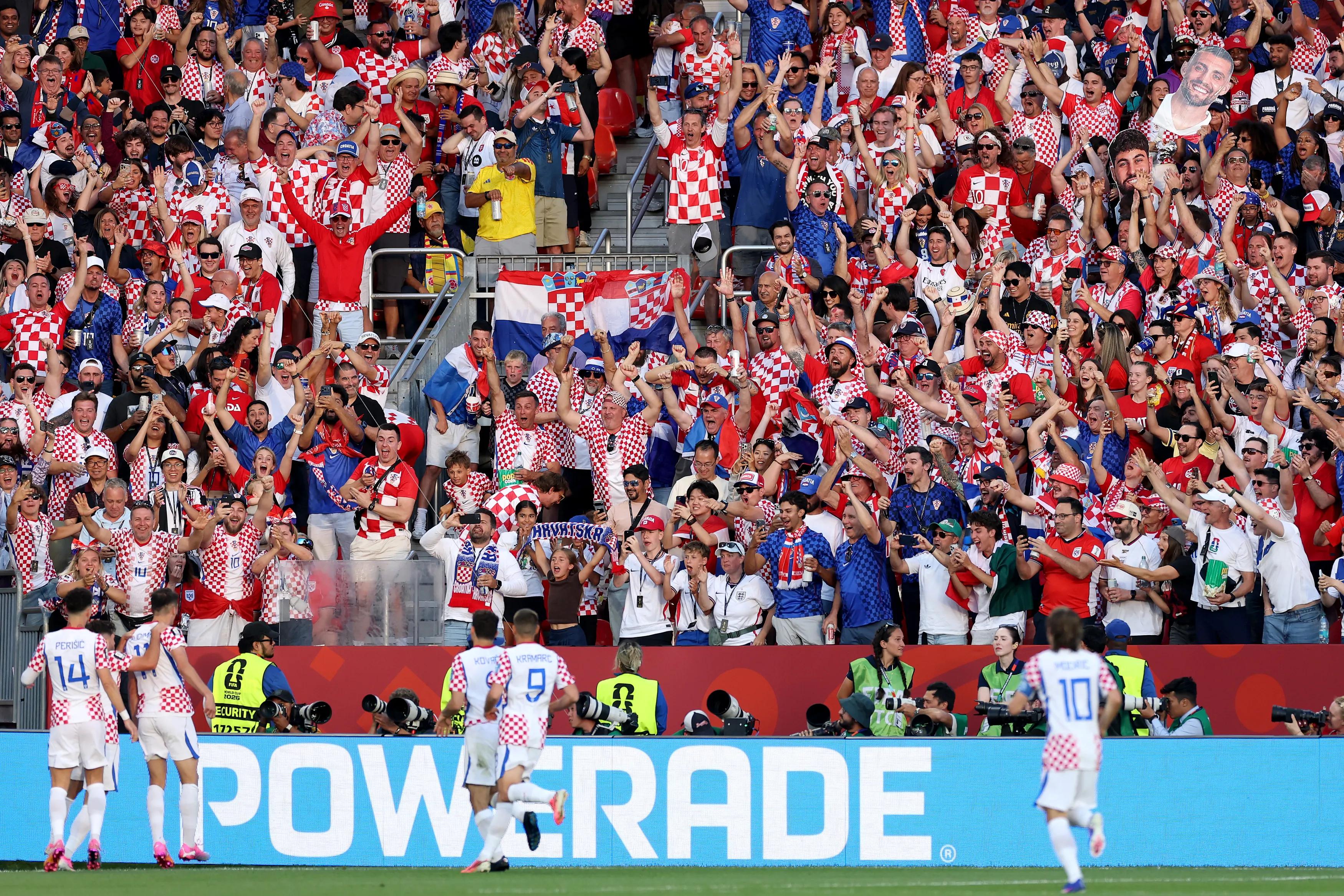
Japan's 2026 World Cup campaign has announced Asian football's arrival at tournament's competitive level, their counter-attacking excellence producing victories over Germany and Spain that demonstrated Samurai Blue quality and tactical sophistication. Japan exited against Croatia in round of sixteen penalty shootout, yet their tournament achievement had already announced their presence at World Cup's elite level. The group stage victories showcased Japan's tactical efficiency through rapid transitions and clinical finishing. The victory over Germany in their opening match announced Japan's tournament intentions. Ritsu Doan and Takuma Asano's second-half goals overturned Ilkay Gundogan's first-half penalty, producing a result that stunned German football and demonstrated Japan's capacity to compete against established powers. Hajime Moriyasu's tactical approach, combining defensive discipline with devastating counter-attacking efficiency, provided the framework upon which Japanese success was built. The Samurai Blue's willingness to absorb pressure before exploiting transitional opportunities showcased tactical sophistication. The subsequent victory over Spain, secured through Ao Tanaka's controversial goal, confirmed Japan's status as group winners. The match-winning goal, which saw the ball appear to cross the byline before Kaoru Mitoma's cutback, sparked debate about VAR decisions and goal-line technology. Yet Japan's performance warranted the result, their tactical approach frustrating Spain's possession-based philosophy while creating opportunities through transitional play. The victory made Japan the first team in World Cup history to defeat both Germany and Spain in the same tournament. Japan's round of sixteen exit against Croatia demonstrated the fine margins that tournament football delivers. Daizen Maeda's opening goal gave Japan advantage, yet Ivan Perisic's equalizer forced extra time where Croatian experience prevailed in penalties. The defeat, while disappointing, should not diminish Japan's achievement. Their tournament announced Japanese football as genuinely competitive at World Cup level, suggesting future tournaments may see Japan progress beyond the round of sixteen.
⬜ Group
Japan's Counter-Attacking Excellence: Asian Football Arrives