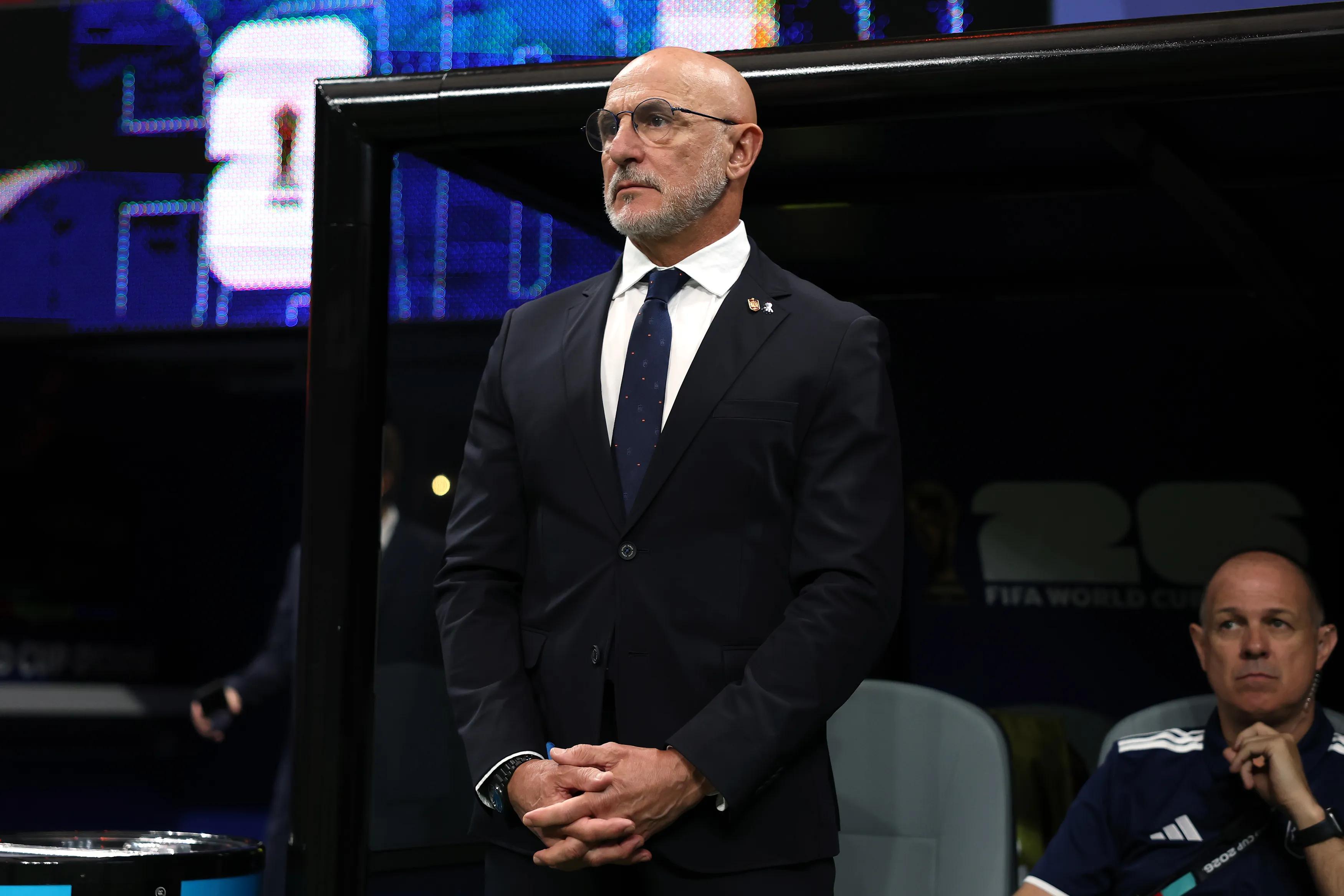
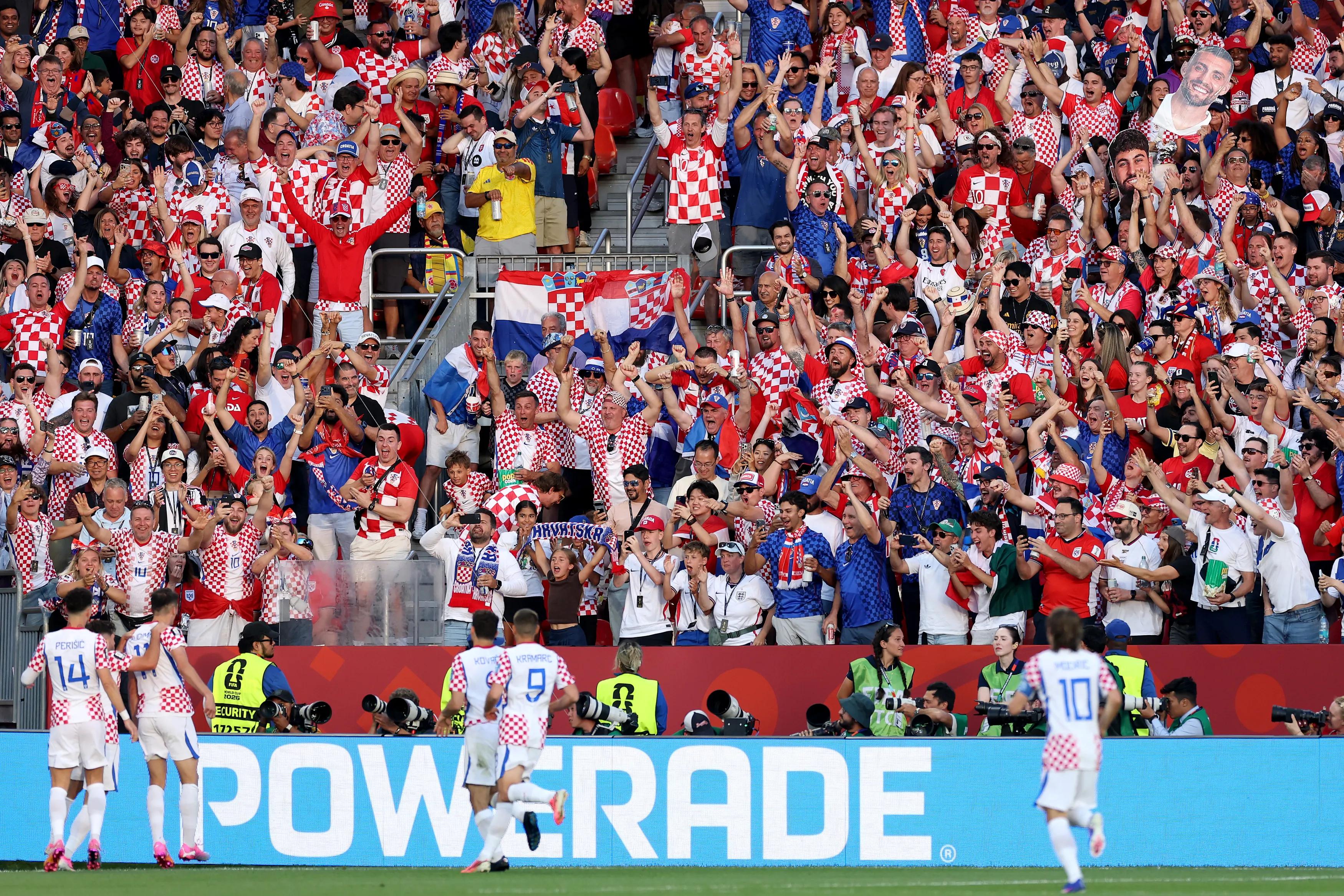
Australia's 2026 World Cup campaign has produced historic progression to knockout stage, the Socceroos' achievement announcing Oceanic football's presence at tournament's competitive level. Australia exited against Argentina in round of sixteen, yet their tournament achievement had already demonstrated the quality that their development pathway has produced. Graham Arnold's tactical approach prioritized defensive organization and rapid transitions, creating a platform that maximized Australian qualities. The group stage campaign showcased Australia's resilience and tactical discipline. Defeat to France in their opening match provided expected outcome, yet the Socceroos' response demonstrated the character that tournament progression demands. Consecutive 1-0 victories over Tunisia and Denmark, secured through Mitchell Duke's header against Tunisia and Mathew Leckie's individual brilliance against Denmark, confirmed Australia's advancement. Leckie's goal, a moment of quality that combined dribbling with composed finishing, sparked celebrations that resonated across Australian football. The defensive organization that Arnold instilled provided the foundation upon which Australian hopes were built. Harry Souttar's performances at center-back showcased the qualities that Scottish Premiership football had developed, while goalkeeper Mathew Ryan's reliability offered the security that tournament matches require. Australia's ability to preserve narrow advantages demonstrated the mental fortitude that knockout progression demands. The round of sixteen defeat to Argentina, while expected, showcased Australian competitive spirit. Lionel Messi's opening goal and Julian Alvarez's strike gave Argentina the advantage that their quality deserved, yet Australia's response created opportunities that tested Emi Martinez. The 2-1 scoreline reflected Argentina's superiority while acknowledging Australian contribution. Australia's tournament, their first knockout stage advancement since 2006, represents a milestone for Oceanic football and suggests the development pathway has created genuine tournament competitiveness.
⬜ Group
Australia's Historic Progression: Socceroos Reach Knockout Stage