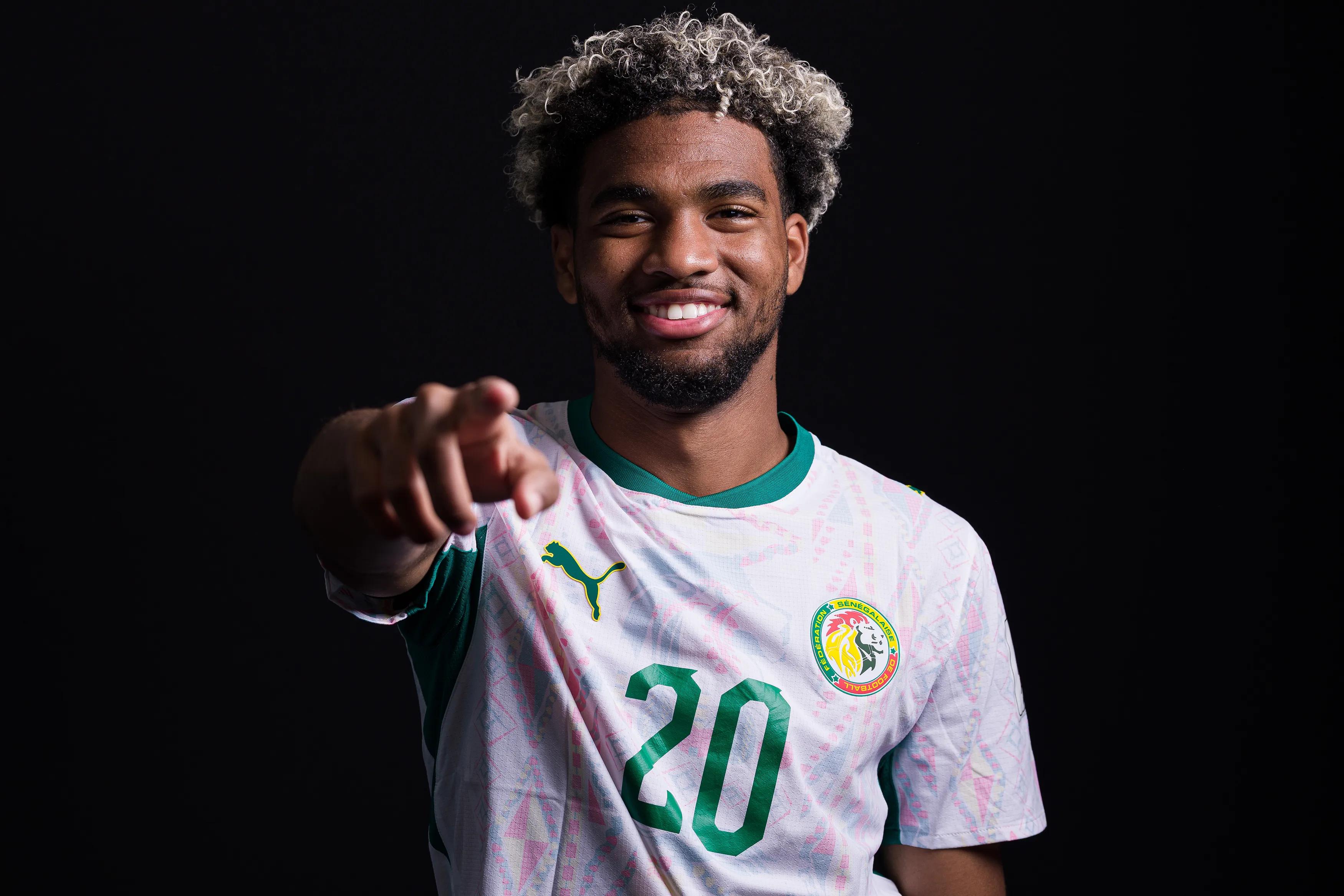
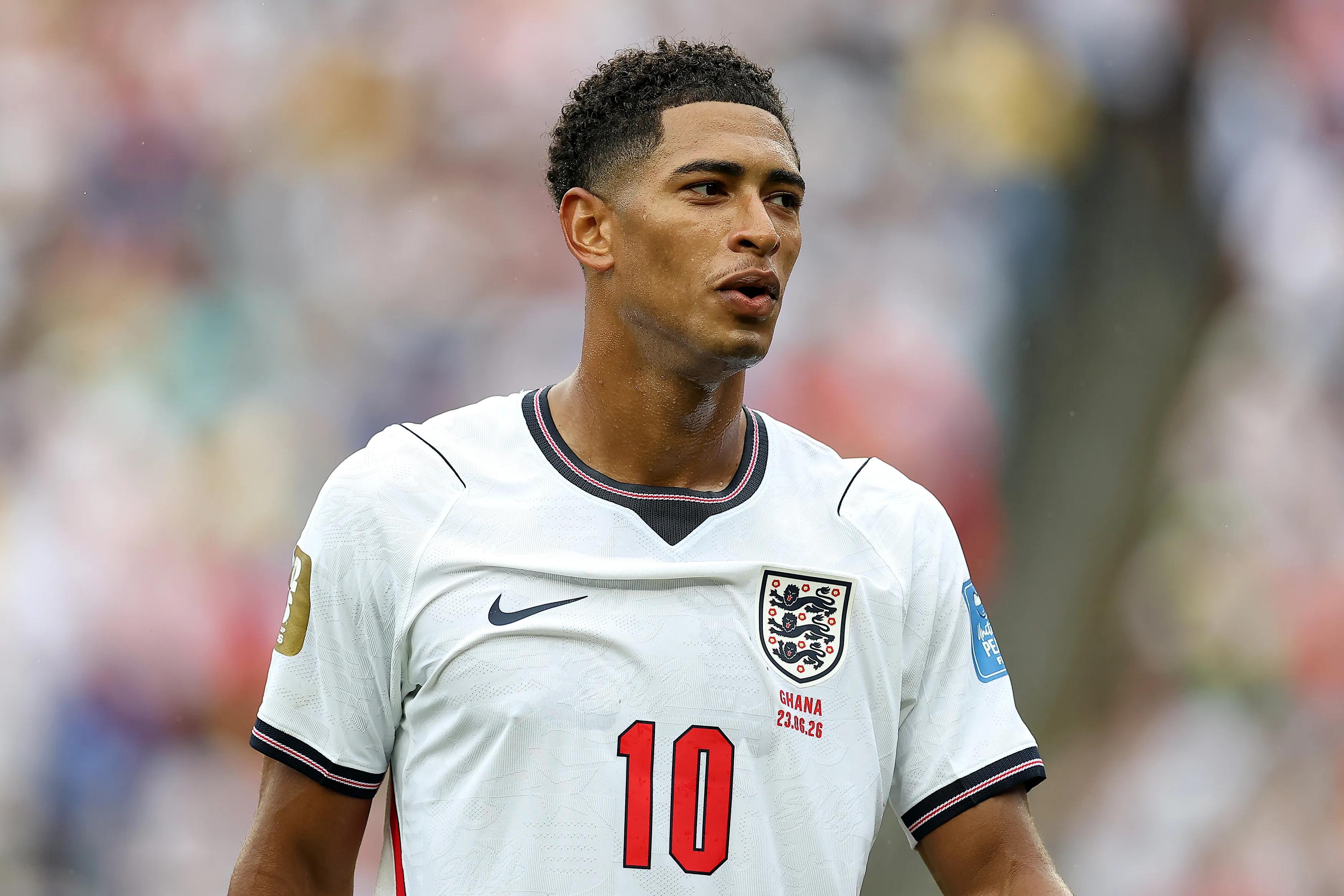
Senegal's 2026 World Cup campaign has demonstrated African excellence despite the absence of Sadio Mane, their progression to knockout stage announcing Lions of Teranga quality that extends beyond individual stars. Senegal exited against England in round of sixteen, yet their tournament achievement had already announced their presence at World Cup's competitive level. The victory over Ecuador that secured progression showcased the resilience that tournament football demands. The absence of Mane, Senegal's talisman and African Footballer of the Year, required tactical adjustment and collective responsibility. Ismaila Sarr's pace and creativity provided the attacking threat that Mane's absence created, while Boulaye Dia's goals offered the finishing contribution that tournament advancement requires. Captain Kalidou Koulibaly's defensive leadership, combined with his decisive goal against Ecuador, demonstrated the character that defines successful tournament teams. The group stage campaign showcased Senegal's tactical sophistication under Aliou Cisse. Defeat to Netherlands in their opening match provided challenging start, yet subsequent victories over Qatar and Ecuador demonstrated the response that tournament progression demands. The 3-1 victory over Qatar announced Senegal's attacking quality, while the 2-1 victory over Ecuador, secured through Koulibaly's 70th-minute winner, showcased the mental fortitude that knockout football requires. Senegal's six points from three matches demonstrated the consistency that tournament advancement demands. The round of sixteen defeat to England, while disappointing, should not diminish Senegal's achievement. Jordan Henderson's opening goal and Harry Kane's strike gave England the advantage that their quality deserved, yet Senegal's performance created opportunities that tested Jordan Pickford. The 3-0 scoreline reflected England's superiority while acknowledging Senegal's contribution. Senegal's tournament, despite Mane's absence, announced African competitiveness at World Cup level and suggests future tournaments will see African representation in knockout stages regularly.
⬜ Group
Senegal's African Excellence: Champions Advance Without Mane